Cardboard Boxes for Fruit and Vegetables: Durable Produce Packaging Solutions for Retailers
Creating the Perfect Tailored Vegetable Boxes: A Step-by-Step Approach
Designing custom produce boxes calls for a deliberate approach. Specialists must consider sustainability, practicality, and visual appeal. Selecting the suitable components is crucial for maintaining freshness and advancing eco-friendly methods. Additionally, dimensions and form can greatly affect usability and shipping efficiency. Impactful graphics enhance company identity, while detailed assessment guarantees durability. Understanding these elements will discover key understanding into producing remarkable packaging solutions that resonate to customers. What follows is fundamental to reaching those objectives.
Choosing the Right Components for Custom Produce Boxes
When picking materials for custom produce boxes, it is essential to assess both functionality and environmental impact. The choice of material considerably affects the box's resilience, weight, and function to protect the contents. Common materials feature corrugated cardboard, which provides strength and is recyclable, making it a preferred choice for sustainability-focused businesses. Biodegradable options, such as molded pulp or plant-based plastics, also embrace eco-friendly practices while offering sufficient protection for delicate produce.
Furthermore, water repellency is crucial for maintaining freshness, prompting some manufacturers to explore processed substrates or advanced protective layers. The visual attractiveness of the box is important to consider, as branding and visual presentation can influence consumer perception. Ultimately, the appropriate choice should strike a balance between protecting the produce, appealing to customers, and adhering to environmental standards, guaranteeing that practicality find details about and eco-consciousness are emphasized in the design process.
How to Find the Right Size and Shape for Functionality?
When deciding on the size and shape of custom produce boxes, thorough evaluation of produce measurements is crucial for effective storage. Additionally, considerations for movement and transportation can impact the box structure, ensuring ease of movement. Maximizing storage space utilization further enhances functionality, allowing for effective presentation and organization.
Examine Produce Dimensions Carefully
Picking the optimal size and shape for fruit containers is required for efficiency and effectiveness. Meticulous examination of produce size is critical, as it ensures that products fit snugly without superfluous space that might cause damage during shipment and storage. Custom-designed containers need to support various shapes, from fragile fruits to substantial vegetables, while maintaining structural integrity. Moreover, the height and width of the boxes should promote layered storage and systematic arrangement, utilizing space in warehouse zones. A well-engineered container not only guards the produce but also elevates visual appeal for consumers. In conclusion, deliberate measurement analysis of dimensions supports curtailing losses and improving overall user experience in the supply chain.
Review Handling and Transport Procedures
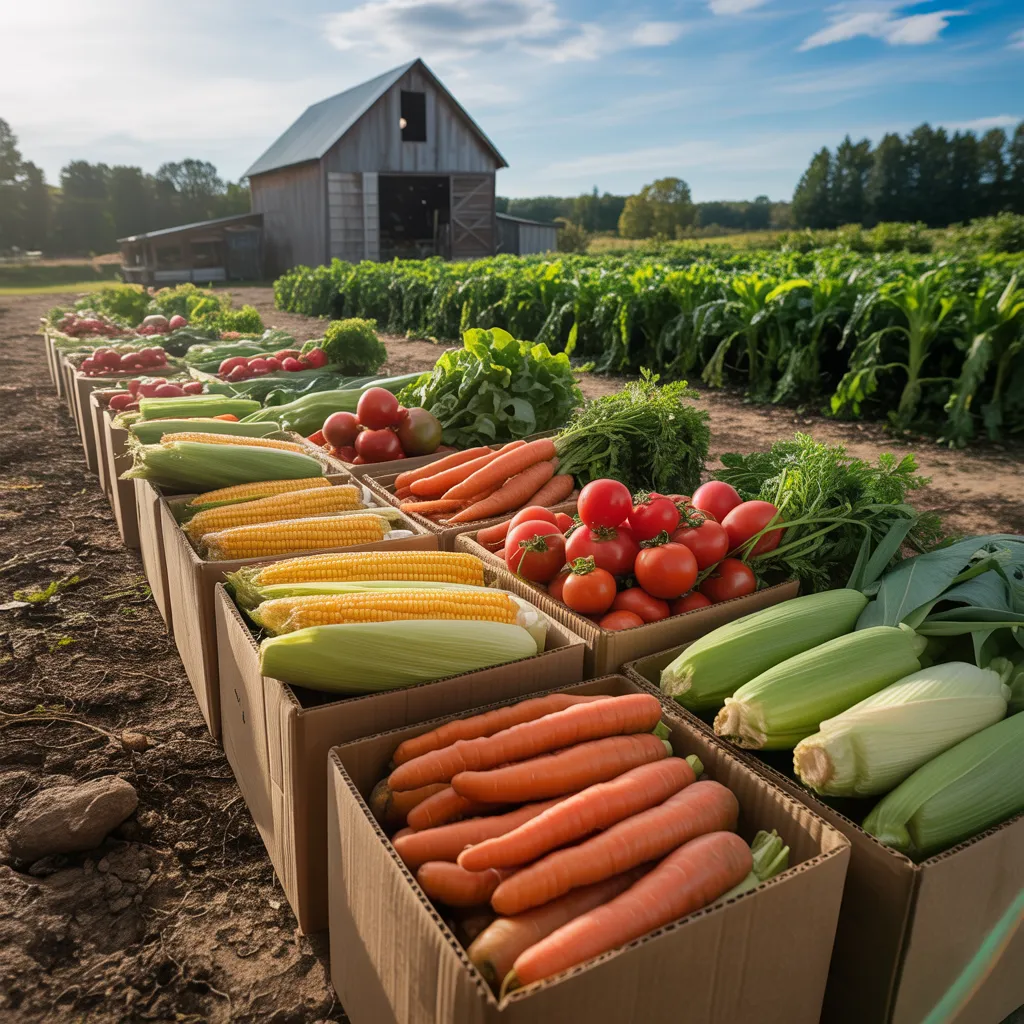
Handling and transport considerations serve as a considerable role in ascertaining the appropriate size and contour of tailored produce packaging. The dimensions should fit the produce without excessive space, which would result in movement and deterioration during transit. Smaller, compact boxes facilitate more straightforward handling, while bigger containers may become necessary for bulkier goods. Additionally, ergonomic design proves essential; grip areas and openings must be positioned strategically situated so as to allow for comfortable hoisting combined with carrying. The configuration of the box also influences nesting along with stability, confirming that products remain protected. Ultimately, thoughtful review of such factors boosts the efficiency of transport, lessens product loss, plus preserves the comprehensive integrity concerning the agricultural goods commencing at orchard to consumer.
Optimize Storage Space Usage
Optimal shelf space usage is determined by selecting the best measurements and configuration of bespoke produce boxes. Professionals should review the dimensions of the display racks as well as the types of foodstuffs being stored. Rectangular boxes often promote efficient use of space, facilitating for improved stacking and alignment. Yet, varied forms can amplify attractive appearance but may produce unutilized areas if not appropriately mapped out.
It's vital to examine the product rotation speed; fast-selling items might gain from compact, readily accessible boxes. Moreover, applying flexible or customizable designs can facilitate various dimensions of merchandise while refining display organization. By stressing functionality and aesthetic value, enterprises can construct a practical and eye-catching presentation that improves both accessibility and visibility of goods.
How to Build Graphics That Get Attention?
Engaging graphics can transform a simple custom produce box into a stunning display that attracts interest. To accomplish this, creatives should begin by selecting a color scheme that showcases the freshness and energy of the produce. Bright, striking colors can evoke sensations of freshness and health, compelling consumers to take a closer look.
Using strong typefaces is also essential; readable typefaces can successfully convey key details while enhancing visual appeal. Furthermore, incorporating high-quality images of the produce can create an immediate connection, showcasing the item's excellence and attracting potential buyers.
Furthermore, introducing distinctive visual elements and patterns can help set apart the brand in a crowded market. Alignment in design elements, such as logos and taglines, reinforces brand identity. Ultimately, a fusion of inventiveness and precision in design work can greatly elevate the power of custom produce boxes, making them stand out on shelves.
Eco-Friendly Practices for Custom Produce Box Wrapping
An increasing number of organizations are introducing sustainable solutions for custom produce box packaging, recognizing its importance in today's green-minded market. These methods often involve the use of compostable materials, such as recycled paper and plant-based plastics, which lessen environmental impact. Companies are also focusing on responsible procurement, ensuring that materials are obtained from responsibly managed forests or suppliers who champion environmental stewardship.
Additionally, many brands are choosing simple layouts that decrease waste while still effectively displaying their products. This strategy not only appeals to environmentally aware consumers but also aids in cutting down production costs. Moreover, businesses are increasingly implementing efficient manufacturing processes that restrict energy consumption and waste generation. By incorporating these sustainable practices, companies not only improve their brand image but also contribute positively to the planet, matching their operations with a sustainable future.
Verify Your Made-to-Order Produce Box Design
Testing the construction of bespoke vegetable packaging is an significant phase in confirming they meet both aesthetic and performance-based standards. This process usually encompasses studying factors such as durability, size, and practical use. First, working models need to be developed to inspect the box's structural integrity, making sure it is able to handle transportation and preservation without affecting the contents.
Next, user experience evaluations can be conducted to assess how effortlessly the boxes can be unlocked, closed, and arranged. Feedback from potential users can be priceless in this phase, providing insights into the box's functionality.
In addition, the design's aesthetic value should be tested through focus groups or surveys, analyzing audience responses to branding features, colors, and overall presentation.
In the end, comprehensive evaluation enables designers to improve the box, guaranteeing it not only attracts customers but also effectively safeguards and showcases the produce within, achieving the right balance between form and function.
Effectively Promoting Your Custom Produce Boxes
Impactful marketing of personalized vegetable containers requires a well-planned strategy that highlights their unique features and benefits. Companies must concentrate on pinpointing their intended customers, such as local farms, grocery stores, or individual consumers. Capitalizing on social media platforms can enhance market visibility, showcasing the boxes' appearance and functionality through compelling visuals and storytelling.
In addition, joining forces with local influencers or farmers can reinforce credibility and amplify reach. Rolling out promotions or discounts during busy seasons can entice initial customers and inspire repeat business.
Furthermore, emphasizing environmental sustainability and green values in marketing materials can engage environmentally conscious consumers. Presenting in-depth information about material sources and the benefits of bespoke packaging designs can further set apart the brand in a saturated marketplace.
In the end, a extensive marketing strategy that merges internet-based and community-based efforts will effectively promote custom produce boxes, engaging a wide-ranging clientele and driving sales.
Regularly Posed Inquiries
What Expenses are Included in Custom Produce Box Design?
Costs related to custom produce box design include materials, printing, workforce expenses, and delivery. Additionally, design work and minimum order quantities can impact overall costs, resulting in different prices based on particular needs and production scale.
What Length of time Is Needed to Manufacture Custom Boxes?
Manufacturing of custom boxes generally requires two to six weeks. Key factors affecting this timeframe encompass design intricacy, materials availability, and manufacturing output, all of which can influence delivery schedules and delivery windows.
Is it Feasible to Order a Small Quantity of Custom Produce Boxes?
Yes, small amounts of personalized fruit and vegetable boxes can typically be ordered. Many distributors provide base purchase minimums, permitting enterprises or consumers to obtain tailored packaging options without having to commit to substantial amounts initially.
What Common Blunders Must Be Prevented in Made-to-Order Box Design?
Typical errors in custom box development involve overlooking functionality, disregarding brand consistency, undervaluing material quality, failing to consider target audience preferences, and overlooking environmental impact. Each aspect is essential for effective packaging and customer satisfaction.
How Do I Confirm My Boxes Are Food-Safe?
To guarantee boxes remain food-safe, you should choose materials approved for food contact, prevent dangerous inks and adhesives, preserve cleanliness during production, and consistently monitor for compliance with health regulations and safety standards.